Bhagavad Gita, one of the greatest scriptures of Hinduism gives elaborate explanation on the role of Trigunas in human psyche. To understand what Trigunas are, please read this article first. Every individual is bound to this world and indulges in thoughts, speech and action as per the machinations of the Trigunas inside the psyche.
Sri Krishna, in Bhagavad Gita says “The three Gunas – Sattwa, Rajas and Tamas bind the essentially immortal Atman (self) to the (mortal) body”. (14.5). It means, as long as the soul is bound to trigunas, the cycle of Karma will continue birth after birth.
Hinduism strongly advocates that the very purpose or goal of human life is Yoga – attaining oneness with God or realizing one’s true nature of Atman (self). And this yoga (union) can be attained only by transcending Trigunas.
One who has transcended Trigunas is the liberated/ realized soul, a true Gnyani; He is freed from the cycles of births and deaths.
In his Bhagavad Gita (spiritual discourse to Arjuna), lord Krishna elaborates Triguna.
Trigunas and Bondage
Bhagavad Gita explains how each of these three Gunas binds one.
Tamas, the meanest of the three, “is born of ignorance, causes delusion and it strongly binds one with mis-comprehension, laziness and sleep.”(14.8)
Rajas, the mid one, “is in the form of passion, gives rise to thirst and attachment. It binds one by creating attachment to action”(14.7).
Even though the qualities of Sattwa are the loftiest and are considered Godly, a person, even if soaked fully in Sattwa, is not considered a liberated person, since attachment to Godly qualities too is a bondage. Bhagavad Gita says “Sattwa is stainless, luminous and free from evils and it binds one through attachment to happiness and attachment to Gyana (knowledge)” (14.6).
Even though Sattwa is a quality above Rajas and Rajas is a quality above Tamas, the reality is that each one is powerful enough to subdue and dominate over the other qualities at varying times and conditions. Thus Bhagavad Gita says, “Sattwa arises predominating over Rajas and Tamas; Likewise Rajas dominates over Sattwa and Tamas, and Tamas dominates over Sattwa and Rajas.”(14.10).
Observing Predominant Guna in a Person
It is not difficult to observe a person and determine which quality is predominant in him at any given point of time. “When the light of knowledge shines through every sense organ in a person, then it should be known that Sattwa is predominant in him” (14.11) says Gita.
Likewise, if a person is under the dominance of Rajas, “greed, physical activity, avid engagement in actions, restlessness and attachment are visible (14.12).
If Tamas is predominant, dullness, lack of effort, miscomprehension and delusion are seen” (14.13).
Trigunas at Death
Whichever quality out of trigunas is predominant at the time of death of a person, that quality greatly determines the type of next birth he is going to take.
“If one meets death when Sattwa is predominant, he attains to the spotless higher worlds of the the great Gnyanis. If one dies when Rajas is predominant, he takes birth amidst people who are attached to action. The one dying when Tamas is predominant, takes birth off the wombs of the irrational.” (14.14-15).
The Characteristics of a Gunateeta
Bhagavad Gita also describes the characteristics of a saintly person who is has transcended the trigunas as follows:
“The embodied person, who knows that the body is caused by the trigunas, transcends the gunas and gets freed from birth, death, aging and suffering and attains immortality” (14.20)
“Whether it is the inner light coming out of Sattwa, or the activity originating in Rajas or the delusion caused by Tamas, the one who does not hate it nor longs for it when absent;
one who remains unaffected in pleasure and pain, one who is established in Self, one who treats a clod of earth, a stone or a piece of gold alike, one who treats likes and dislikes alike, one who is steadfast, one who faces honor and disgrace alike,
one who treats respect and disrespect equally, one who is relates equally to a friend and foe, one who has relinquished all actions arising out of desire – such a person is called Gunatheeta – one who has transcended the Gunas.” (14.22-25).
Bhagavad Gita proceeds further to explain the play of trigunas in one’s shradda(earnestness), worship and food habits. We shall look into them in the subsequent articles.
https://hinduismwayoflife.com/wp-content/uploads/2018/02/Lion-Satwa-rajas-tamas.jpg210794C.V.Rajanhttps://hinduismwayoflife.com/wp-content/uploads/2022/09/Logo6-Hinduism-Sanatana-dharma-Way-of-life-340-×-140-px-300x124.pngC.V.Rajan2023-07-15 10:12:222023-07-15 10:22:27Bhagavad Gita on Trigunas – Sattwa Rajas and Tamas
Amma Mata Amritanandamayi Devi’s Biography (Timeline)
continued (Age 61 onwards)
https://hinduismwayoflife.com/wp-content/uploads/2018/02/amma-yatra-04-845x321.jpg321845C.V.Rajanhttps://hinduismwayoflife.com/wp-content/uploads/2022/09/Logo6-Hinduism-Sanatana-dharma-Way-of-life-340-×-140-px-300x124.pngC.V.Rajan2023-06-06 18:56:272024-11-30 09:36:55Amma – Mata Amritanandamayi – Biography – Life Timeline with Photos – Part 3 of 3
Amma Mata Amritanandamayi Devi’s Biography (Timeline)
continued (Age 35 to 60)
(Age 35)
May 1988 – Amma’s 2nd world tour.
28th April 1988 – First Brahmasthana temple consecrated by Amma at Kodungallur.
Firat Brhmasthanam temple at Kodungallur. Brahmasthanam temple is of unique design conceived and consecrated by Amma. It contains a 4-faced murti (Shiva, Ganesha, Devi and Rahu (Murugan) on each side.
1989(Age 36)
Ashram takes over an Orphanage with 400 children at Paripally (which faced a severe financial crunch) and engages in feeding the children, rebuilding the dilapidated buildings, facilities and poor hygienic conditions at considerable cost. Amma diverts the money planned for constructing the Ashram temple for this purpose.
(L) Paripally Orphanage those days (R) Brhmacharinis conducting prayer with orphan children.
With the takeover of the orphanage, Amma’s humanitarian activities for the poor and the needy (later christened “Embracing the World” begins). Embracing the World exists to help alleviate the burden of the world’s poor through helping to meet each of their five basic needs — food, shelter, healthcare, education, and livelihood — wherever and whenever possible. ETW is especially focused on helping to meet these needs in the aftermath of major disasters.
Amma’s first visit to Delhi and Kolkata.
May 1989 –Amma’s 3rd world tour. Amma’s San Ramon’s Ashram (MA Center) at the USA takes shape. (Amma’s world tours now become regular annual affairs).
Mata Amritanandamayi Center (MA Center) at San Ramon, USA.
August 1989 – Ottur Unni Nambudiripad passes away with his head on Amma’s lap.
October 1989 – Amma arranges Sanyasa Diksha to Swami Amritaswarupanandapuri (Br. Balu). To keep up with the Sanyasa parampara traditions, Swami Dhruvananda, a Sanyasin from Sri Ramakrishna Tapovanam, did the formalities to initiate the Sanyas (as per Puri tradition).
Swami Dhruvananda of Sri Ramakrishna Tapovanam with Amma in the preparation for Vraja Homa. (He is now a resident of Amritapuri Ashram since 2018)
Amma gives Sanyasa to Br. Balu – Swami Amritaswarupanandapuri.
1990(Age 37)
Amma reveals her vision about starting a Multispeciality Hospital with the most modern medical care for the the benefit of poor.
9th April 1990 – Consecration of Ashram Kali (Bhavatarini) Temple.
Front elevation of Amritapuri Ashram Kali temple. It took almost 5 years to complete the construction. The upper floors have residential quarters and rooms for other ashram activities. The presiding deity is Bhavatarini Kali (some what similar to Bhavatarini Kali of Dakshineswar Kali temple)
Kali Sannidhi and meditation Hall of the Amritapuri Kali temple.
4th May 1990 – Brahmasthana temple consecrated at Chennai
AICT (Amrita Institute of Computer Technology), Amma’s first higher education institution started in Amritapuri.
1991 (Age 38)
Amma gives sanyasa Diksha to Br. Madhusudhan (Swami Premananda Puri).
17th August 1991 – Amma’s first visit to Russia. It was one of the most crucial periods in Russian history. When Amma was there, there was an attempted coup to overthrow the communist rule and Gorbachev was kept on house arrest. Fortunately, everything ended peacefully without violence and Amma’s devotees felt that Amma’s divine presence was no coincidence that helped in return of peace in a way incomprehensible to the outer world.
1992 (Age 39)
July 1992 – Amma’s 2nd visit to Russia.
16th February 1992 –Brahmasthana temples at Thiruvananthapuram and on 15th Aprilat Pune consecrated.
Amrita Sanskrit Higher Secondary school at Paripally started – it is one of the largest schools in Kerala to teach Sanskrit as the first language
Land for proposed Engineering college at Ettimadai, Coimbatore bought. Br Abhayamrita sets out clearing the thorny bushes in the wildland.
1993 (Age 40)
18th January 1993 – Consecration of Brahmasthana temple at Kozhikode
Over the period of time, Lots of youngsters, both males and females get attracted, inspired and motivated by Amma and come forward to lead a life of celibacy, dedicated to serving the society selflessly and seeking spiritual progress under the shade of Amma as a Sadguru and Avatar. They come from all walks of life — engineers, nurses, businessmen, carpenters, artists, college students —most of them are young, some of them middle-aged. They join as Brahmacharis and Brahmacharinis in the ashram, leaving behind their homes and comforts. Those who came at earlier times were content to live in newly built huts (as the finances were meager at that time).
Huts for Brahmacharis – behind current Kali Temple (in the current big hall area).
Hinduism Today magazine selects and honors Amma as the ‘Hindu of the year’
September 1993 – Amma invited to The Centenary Celebration and 2nd Parliament of World Religions at Chicago USA. Amma participates and speaks on the occasion. She was appointed one of the 3 presidents to represent Hinduism in the assembly of 25 presidents representing all world religions.
1994 (Age 41)
23rd May – Foundation stone for AIMS (Amrita Institute of Medical Sciences) Hospital at Edapally, Cochin is laid.
Entrance to the A-Block of AIMS – Amrita Institute of Medical Sciences, Edappally, Eranakulam.
Started Amrita Kripa Sagar Hospice for terminally ill cancer patients, Mumbai
Amrita Kripa Hospice, Mumbai
August – Amma arranges Sanyasa diksha to Swamis Amritatmanandapuri (Ramesh Rao), Ramakrishnananda Puri (Ramakrishnan), Poornamritanandapuri (Srikumar), Pranavanandapuri (Venu) , Amritagitananda puri (Aneesh) and Swamini Atmaprana (Dr Leela).
https://hinduismwayoflife.com/wp-content/uploads/2018/02/amma-yatra-04-845x321.jpg321845C.V.Rajanhttps://hinduismwayoflife.com/wp-content/uploads/2022/09/Logo6-Hinduism-Sanatana-dharma-Way-of-life-340-×-140-px-300x124.pngC.V.Rajan2023-06-06 18:53:312024-06-17 16:54:11Amma – Mata Amritanandamayi – Biography – Life Timeline with Photos – Part 2 of 3
Most probably for the first time, Valmiki Ramayanam for children is now available in audio form in Tamil, as a serial, narrated in the most child-friendly tone and texture in the Internet, available for free listening.
அனேகமாய்த் தமிழில் முதன் முறையாக வால்மீகி ராமாயணக் கதை, குழந்தைகள் கேட்பதற்கென்று ஒலி வடிவில், இணையத்தில் ஒரு தொடராக வரத்தொடங்கியுள்ளது.
Deepika Arun, is one of the most famous Audio book narrators, whose Tamil audio books are very popular in her Kadhai Osai Channel (both in Youtube and other podcast channels), is rendering the story of Ramayana through her Podcast for Children — Chittukuruvi in famous podcast sites like Spotify, Apple Podcast, Google Podcast etc. In fact, this podcast contains many children stories in Tamil narrated by Deepika.
ஒலி வடிவில் தமிழ்க் கதைகளை வழங்கிவரும் கதை ஓசை ஒலிப்புத்தகத் தளத்தின் மிகப் பிரபலமான கதை சொல்லியான தீபிகா அருண், தமது அருமையான குரலில் தமிழில் ராமாயணக் கதையை தமது “சிட்டுக்குருவி போட்காஸ்ட்” மூலம் ஸ்பாட்டிஃபை, கூகிள், போட்காஸ்ட், ஆப்பிள் போட்காஸ்ட் போன்ற தளங்கள் வழியே சொல்லத் தொடங்கியுள்ளார். அவர் குழந்தைகளுக்காகவென்றே சொல்லியுள்ள பல பிரபல கதைகள் ஏற்கனவே ‘சிட்டுக்குருவியில்’ இருக்கின்றன.
This Tamil Valmiki Ramayanam audio series for children is now available at Spotify. It has started from the auspicious Pongal Day, 15th January 2023. Each episode will be for about 15 to 20 minutes and are scheduled to be released weekly, every Sunday. New listeners can register at Spotify free of cost and continue to listen it every week.
இப்போது தமிழில் வால்மீகி ராமாயணம் ‘ஸ்பாட்டிஃபை’ தளத்தில், இந்தப் பொங்கல் நன்னாள் (ஜனவரி 15, 2023) அன்று தொடங்கி, முதல் அத்தியாயத்தை வெளியிட்டுள்ளார். இனி வாரா வாரம் ஞாயிறன்று ஒரு அத்தியாயம் வெளியிடுவது எண்ணம். புதிய ரசிகர்கள், அத்தளத்தில் தங்களைப் பதிவு செய்துகொண்டு, இலவசமாக இக்கதையைக் கேட்டு மகிழலாம்.
(Links given at the bottom of this article)
அதற்கான இணைப்புகள் கீழே தரப்பட்டுள்ளன.
The story is being written by writer ‘Sandeepika‘ (who also writes in English by name C.V.Rajan). Beginning with the popular story of Ratnakar, the bandit who turned into the poet Valmiki, the narrative will continue, reasonably elaborately with Bala kandam, Ayodhya Kandam, Aranya Kandam and so on. The narrative by Deepika is in a very children-friendly conversational tone, in simple Tamil, with enough dose of emotions and voice modulations.
இந்தத் தமிழ் ராமாயணக் கதைத் தொடரை எழுதுபவர் எழுத்தாளர் சாந்தீபிகா. சி.வி.ராஜன் எனும் பெயரில் எழுதும் எழுத்தாளரும் இவரே. ரத்னாகரன் எனும் காட்டு வழிப்பறிக் கொள்ளைக்காரன், வால்மீகி முனிவராகப் பரிணமித்த கதையிலிருந்து தொடங்கி, ஓரளவு விரிவாகவே பால காண்டம், அயோத்தியா காண்டம், ஆரண்ய காண்டம் என்று கதை தொடரும். குழந்தைகளுக்கு எளிதில் புரியும் வகையில், மிகுந்த நட்புணர்வுடன், எளிய பேச்சுத் தமிழில், உணர்ச்சிகரமாகவும், கதா பாத்திரங்களுக்கு ஏற்பக் குரல் மாற்றியும் வெகு சுவையாக இக்கதையை வழங்குகிறார் தீபிகா அருண்.
Narrator Deepika Arun says, “The Itihas Ramayana has been living with us across thousands of years, enthralling kids and grownups alike, teaching dharma, values, morals and devotion to children generations after generations. Ramayana and Mahabharata continue to be the most popular bed time stories for children from time immemorial, verbally told by grandmas, grandpas and also parents. Is it not a wonder by itself? Present day parents are not able to spend enough time with their children to narrate stories. Even many parents may not remember the whole story of Ramayana with all its details and nuances to tell their children. I thought it will really benefit parents and children alike if Valmiki Ramayana, which is the source of all other Ramayana forms, is narrated verbally. Unlike seeing a tele serial of Ramayana, the verbal narration will kindle lots of imagination in children to mentally form their own images of the scenes and characters.”
The author C.V.Rajan adds, “As for as I know, Rajaji was the pioneer in writing Ramayana and Mahabharata keeping children in mind as the potential readers, in addition to adults. In fact, I grew up reading Rajaji’s Ramayanam. But he, just like Kambar who wrote the Tamil magnum opus Kamba Ramayanam, opted to end the story with Rama Pattabhishekam (crowning of Rama as the king), after he annihilated Ravana and returned to Ayodhya after 14 years of exile. It may be because most children and adults love stories that end in a happy note. But Rama’s story will not be complete unless Uttara kandam is also narrated. Uttara kandam covers the detailed story of the Rakshas Ravana and also Rama abandoning Sita in the forest. The story goes on till the end of Rama’s life. I do believe that we should not shy away from narrating these stories too to children. Only then Rama’s story will be complete. Let children too try to grasp the nagging questions behind Rama leaving Sita at the hermitage of Valmiki. ”
Tamil children and parents are welcome to enjoy Valmiki Ramayanam episode by episode narrated in Deepika’s sweet voice. Here are the links:
தமிழ்ப் பெற்றோர்களையும் குழந்தைகளையும் வால்மீகி ராமயணக் கதையைக் கேட்டு மகிழ வரவேற்கிறோம். கீழ்க்கண்ட இணைப்புகளை சொடுக்குங்கள்:
https://hinduismwayoflife.com/wp-content/uploads/2023/01/Yajna-Purusha-giving-pot-of-divine-pudding-in-Yaga.jpg425556C.V.Rajanhttps://hinduismwayoflife.com/wp-content/uploads/2022/09/Logo6-Hinduism-Sanatana-dharma-Way-of-life-340-×-140-px-300x124.pngC.V.Rajan2023-01-15 21:59:452023-06-02 07:23:59Valmiki Ramayanam in Audio Form for Tamil Children — தமிழில் வால்மீகி ராமாயணம் – ஒலி வடிவில்
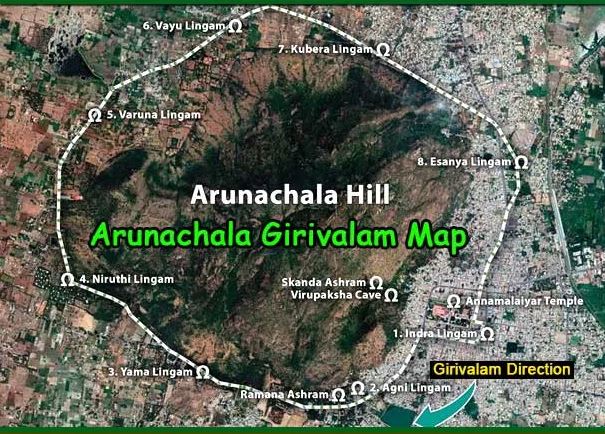
Thiruvannamalai is a reasonably big town. There are plenty of hotels to suit various budgets. If you want to stay in some Ashrams (like Ramanasramam, Yogi Ramsurath Kumar Ashram, Seshadri swamigal ashram etc) you have to make advance inquiries. Search and get details from the respective websites. Ramanasramam normally puts the condition that those who intend to stay there should be devotees of Ramana Maharshi.
Food is generally good in most Tamil Nadu towns, but they will be predominantly south Indian. If you look for north Indian food, do Google search and locate appropriate hotels to stay.
For going to Annamalayar Temple or for ‘girivalam’ (Giri Pradakshina), modest Indian dress code is desirable. For men the dress code is Shirt & full trouser, Dhoti or Pyjamas with upper cloth. For women the preferred dress code is saree or half-saree with blouse or chudidhar with pyjama and upper cloth.
Thiruvannamalai is normally a hot place. October, November, December are rainy seasons. I don’t think it rains heavily in Thiruvannamalai. December, January and February are nice, reasonably cool times. Not so cool needing sweaters! But if you intend to go on Girivalam early morning in these months, some extra protection may be needed. Once the sun comes out bright, it gets hot.
I noramally prefered starting the girivalam early morning by 4 AM , and ending by 10 AM. Girivalam should mean walking only. Taking a round in two-wheeler, auto, or taxi is of no use. If you are staying somewhere in the route of Girivalam, you can start from there and end there. (I normally stayed at Ramanasramam and started and ended my pradakshina at it, after visiting the Temple which is in the route). Many people begin the walking from Arunachala temple and end it there.
There is yet another temple known as the Adi Annamalayar temple somewhere at half the travel route. It requires a little extra walk from the girivalam path to reach the temple and comeback to track. There are several small lingas to worship en route.
Almost half of the girivalam route actually constitutes a couple of busy main roads of Thiruvannamalai. The other side is more peaceful, scarcely crowded, with much less traffic. It is more scenic, greener, rural and serene. It is also a tarred road only.
You can carry drinking water with you and some fruits and snacks if you prefer. You will find lots of alms seekers en route and, if you prefer to donate some money to them and also to the small-temple priests, please carry loose cash in small denominations.
The ideal way to undertake girivalam is to go alone, chanting your mantra and filling your mind with devotion. Ramana Maharshi recommends slow walking. He says girivalam is walking-meditation. Of course the Arunachala hill is always there in your vicinity as you walk around, and the hill is verily the physical manifestation of Lord Shiva.
If you are going with a company, it is better to avoid unnecessary chitchatting and concentrate on chanting your mantra.
Many people say that doing girivalam on the full moon night is highly rewarding. But it will be an extremely crowded affair, with lots of noise and commercial distractions. I personally prefer to avoid it, since the girivalam is meant for personal spiritual experience, and not to be treated as a picnic or fair.
All the best to you for a peaceful and spiritually enriching pilgrimage.
https://hinduismwayoflife.com/wp-content/uploads/2022/10/thiruvannamalai.jpg5001000C.V.Rajanhttps://hinduismwayoflife.com/wp-content/uploads/2022/09/Logo6-Hinduism-Sanatana-dharma-Way-of-life-340-×-140-px-300x124.pngC.V.Rajan2022-10-07 14:50:542022-11-08 18:30:28How does one prepare for Girivalam (Giri Pradakshina) at Thiruvannamalai? Seeking advice on stay, items needed to carry with, making reservations etc.
Whatever good deeds and bad deeds we do automatically create good and bad karmas (rather fruits of karmas). But the actual play of that fruit of karma takes place at a time unknown to us.
When you ask ‘What triggers bad karma’, I believe you are asking when exactly the fruit of a bad karma comes into effect.
It is not easy to give answer to this, as the course of karma is beyond our grasping. But my guru Mata Amritanandamayi Devi has given a hint about it. She says, at such times when our egotism peaks, bad karma’s effect will start manifesting. So we should always be careful about the dirty plays of our ahankar.
https://hinduismwayoflife.com/wp-content/uploads/2022/10/Evil-face.jpg5321208C.V.Rajanhttps://hinduismwayoflife.com/wp-content/uploads/2022/09/Logo6-Hinduism-Sanatana-dharma-Way-of-life-340-×-140-px-300x124.pngC.V.Rajan2022-10-06 16:24:042022-10-06 16:24:04What actually triggers bad karma?
She hails from a little fishermen’s hamlet in Kerala, India. She is hardly educated up to primary school. She is now a world-renowned Hindu saint and a globally recognized philanthropist. She travels across the length and breadth of India and also across the globe every year to meet people. She is known as the Hugging Saint. She is a ceaseless fountainhead of divine love.
She embraces each and every individual who comes to her for her darshan. She spends 10-14 hours a day, at least 4 days a week in meeting and hugging people who come to see her in thousands. She has been doing it ceaselessly since the age of 22/23. (She is now 65 as in 2018). She has hugged more than 33 million people across the world.
She is an unconditional giver. All the people in this world are her sons and daughters. She gives pure love to the world suffering in scorching selfishness; she heals people both physically and mentally.
She spreads spirituality to earnest seekers as a Sadguru. There are several tens of Sanyasis and hundreds of Brahmachari / Brahmacharinis living in her Ashram at Amritapuri, along with hundreds of household devotees (both Indians and foreigners) who are doing spiritual sadhana (meditation, mantra japa, devotional singing, studying shastras like Bhagavad Gita and Upanishads etc) and also doing selfless service, leading a very frugal and simple life, under her guidance.
She serves the poor and the downtrodden. She runs hospitals, orphanages, schools, colleges, and research institutions. She is always there with a helping hand extended, whenever and wherever there is a natural calamity.
Here is an attempt to showcase, for the sake of historical records, what she has been doing year after year in her action-packed life ever since her birth. No wonder she is hailed as an Avatar of divine mother Parashakti; the power she radiates is immeasurable; what she has accomplished and what she has been doing is simply beyond the grasp and capacity of not only ordinary human beings but also scientists, rationalists, and agnostics.
[Foreword: In this part 1 of Amma’s biography, we have covered her life and activities up to her age of 34. In part-2, age 35 to 60, and in Part-3, age 61 onwards are covered. Links to Part-2 and Part-3 are given at the bottom of this article].
1953 – 27th September – Birth of Amma
Sunday, after 9 AM (in star Karthika) The Holy Avatar of Amma happens – The girl child, later named Sudhamani (Later Mata Amritanandamayi) was born to Dhamayanthi Amma and Sri Sugunanandan as their 3rd child at Parayakadavu, a fishermen’s hamlet in Alappad, Kerala. Her birthplace, in future, acquires the name Amtitapuri.
1957 (Age 4)
‘Kunju’ (Little) Sudhamani frequently turns inwards, forgetting the outer world and goes to a meditative state.
1958 (Age 5)
Sudhamani starts going to elementary school. She is soaked in Krishna bhakti most of the time even at such a tender age.
1960 (Age 7)
Sudhamani starts composing devotional songs on Lord Krishna. Most of the time her dress is wet with tears she sheds crying for her beloved Krishna.
1962(Age 9)
Sudhamani discontinues school (in a couple of months after joining 5th standard) and takes charge of doing all domestic chores since her mother falls sick. In all her free time, she is immersed in the devotion of Sri Krishna.
1966 (Age 13)
Sudhamani starts going to her Mother’s elder sisters’ house for doing their domestic chores. Sudhamani gives the families’ rice to the poor and gets the wrath of the relatives.
1968 (Age 15)
Sudhamani was sent to her uncle’s house in Karunagapally for doing their domestic chores. Here too she starts giving food and provisions from the house to the poor and needy and gets punished for her charity.
1969 (Age 16)
Sudhamani returns to her parents’ house and gets fully engaged in doing all domestic chores from 3 AM in the morning till 11 PM and also immerses herself in intense sadhana and Krishna Bhakthi. She also serves the poor people in the village and distributes food and provisions stealthily from her house. Gets punished frequently for this charity.
1970 (Age 17)
Sudhamani learns tailoring at a Christian Institution attached to a Church (for about 3 years) in her spare time. She goes into meditation at the graveyard next to the church. The old priest in the Church gets highly impressed by her character and devotion to God. He predicts she will come up as a great lady in the future.
Sudhamani loses sleep crying and singing for her beloved Krishna. Her family members get highly disturbed by her behavior. They think she is mentally deranged.
1975 (Age 22)
Sudhamani’s intense prema bhakti on Krishna ends up in a divine experience of Lord Krishna merging in her.
== Oil painting == Lord Krishna appears before Amma and merges in her. Amma realizes her oneness with Krishna.
5th March 1975 – Sudhamani first Krishna Bhava (involuntarily expressing the divine mood of Lord Krishna) at the courtyard of her neighbor Sri Ratnam’s house where Srimad Bhagavada parayanam was going on.
== Oil painting == Amma reveals her Krishna Bhava to people gathered to listen to Srimad Bhagavatam.
On the next Bhagavata Parayanam day, based on demands from people to prove her divine power, Sudhamani does a miracle by converting water to milk and also to panchamritam when she shows Krishna bhava again.
Soon regular Krishna Bhava darshan to devotees begins at the cowshed area next to her house.
Later a simple temple (Kalari) comes up in the cowshed area where her bhava darshan took place.
Soon after, Sudhamani gets Devi Parashakthi in a divine vision for a brief while. She immerses in deep Prema Bhakti to seek Devi’s vision again. Sudhamani’s behavior turns very weird bordering on madness.
Her family members could not understand her divine madness and get very disturbed. Her elder brother Subhakan, who could not accept Sudhamani’s bhava darshans and her divine moods, orders her to get out of the house. In order not to trouble the family members, sSudhamani opts to stay outdoors all the time, be rain or shine. She was out of body consciousness most of the time; animals and birds start giving her company with love and they bring food to her too.
== Oil painting == Sudhamani ordered out of the house; Animals and birds give her company in the open.
September1975 – After 6 months of intense longing, she gets the vision of Devi once again and Devi immerses inside her. Amma sang her experience and the divine commandment she received from Devi thus in her song ‘Ananda Veedhi’
. . . . . .
Smiling, She became a Divine Effulgence And merged in me. My mind blossomed, Bathed in the many-hued light of divinity And the events of millions of years gone by Rose up within me. Thenceforth, Seeing nothing as separate from my own Self And merging in the Divine mother I renounced all sense of enjoyment
Mother told me to ask people To fulfill their human birth. Therefore I proclaim to the whole world The sublime truth that She uttered ‘oh man, merge in your Self!” . . . . . . . . .
Sudhamani resolves to dedicate her life totally to mitigate the suffering of the people and serve one and all as embodiments of God.
Amma (Sudhamani) begins giving Devi Bhava Darshan too in addition to Krishna Bhava Darshan. She hugs each and everyone who comes to her for darshan, hears their woes and offers solace.
Amma starts facing lots of opposition from and harassment from The Rationalists Movement (‘Committee to remove blind beliefs’) who consider her bhava darshans as fake with an intent to fool people and make money.
By 1975 year-end – During one Krishna bhava, Amma predicts that she will be having lots of devotees coming to her from far and wide, including from abroad. She also predicts that she would travel all over the world many times.
Prabhakara Siddha Yogi, a famous avadhuta with extremely weird behavior, who was believed to be living across a couple of centuries, comes and visits Amma. He recognizes her as Kali Mata.
Amma with Prabhakara Siddha Yogi
1976 (Age 23)
Harassment, public ridicule, attempts of physical attack and attempts of murder happens to Amma from locals and members of the Rationalist movement. Amma’s family members feel highly disturbed about such happenings. Amma faces such opposition for the next couple of years with evenness of mind.
Based on Sugunananda’s prayer during Devi bhava to relieve her daughter from Devi’s possession, Amma falls into deep samadhi the next day and could not be revived to life despite all efforts. Conceding to intense prayers and inconsolable crying of her devotees and family, she comes back to life after 3 hours.
Unnikrishnan (Amma’s first resident brahmachari of the ashram, later Swami Turiyamritananda Puri) meets Amma and starts staying in the temple.
Swami Turiyamritananda Puri (Br. Unnikrishnan) was the earliest permanent resident of the ashram who came in 1976.
1977 (Age 24)
Amma visits Madurai Meenakshi temple with devotees. She goes into deep samadhi for about 1.5 hrs in front of Meenakshi sannadhi.
1978 (Age 25)
Dattan the leper starts visiting Amma during Bhava Darshan and his acute and deep wounds of leprosy gets cured over a period of time by Amma’s licking of his wounds.
> Click this picture to see the video clipping showing Amma licking the wounds in Dattan’s body and face
June 1978 – Amma’s elder brother Subhakan, who could not understand or accept Amma’s spiritual moods, and seemingly lunatic behavior, was strongly against his sisters’ divine bhavas and was extremely mentally disturbed. He commits suicide. Amma had to face negative propaganda and criticism from the rationalists and the public on account of this happening too.
https://hinduismwayoflife.com/wp-content/uploads/2018/02/amma-yatra-04-845x321.jpg321845C.V.Rajanhttps://hinduismwayoflife.com/wp-content/uploads/2022/09/Logo6-Hinduism-Sanatana-dharma-Way-of-life-340-×-140-px-300x124.pngC.V.Rajan2022-08-02 10:22:042024-06-17 16:54:42Amma – Mata Amritanandamayi – Biography – Life Timeline with Photos – Part 1 of 3
The readers coming to this answer perhaps know already about Amma, Mata Amritanandamayi Devi, a living Sadguru among us, who has devotees, followers and admirers in millions across the globe.
Her thousands of earnest devotees and spiritual seekers know her as an Avatar – a divine incarnation of mother Parashakti; She is a Brahma gnyani; a true yogi; a jivan mukta. For many western devotees, she is a living proof that Jesus Christ did exist. She is like a large ship that can take numerous earnest devotees who have unconditionally surrendered to her across the sea of samsara.
There are thousands of devotees across the globe who have taken Mantra Diksha from her and chant their mantras regularly and engage in earnest spiritual practices.
Which Mantra does Amma give as Diksha?
Amma accepts earnest devotees from any walk of life, from any sect of Hinduism (be Vaishnavas, Shaivas, Shaktas or whatever), having whatever Ishta Devatas (favourite God forms) they love. To suit their taste and leaning, Amma gives mantras of their respective ishtas (Like Shiva Mantra, Vishnu mantra, Rama mantra, Krishna mantra, Gayathri Mantra, Devi Mantra and so on). In fact, Amma gives diksha to Christians, Buddhists etc. too, with mantras to suit their respective faiths and tastes.
There are plenty of Amma devotees for whom Amma herself is their Ishta. For them, Amma gives mantra originating from her own name too. In other words, Amma encourages and guides people to progress spiritually through their respective faiths, and there is nothing like a cult-feeling associated with her Mantra diksha.
In Mata Amritanandamayi Math, no one other than Amma is authorized to give Manta diksha.
When and where do you get diksha from Amma?
Amma’s ashram headquarters is in Amritapuri, Kerala, India. Before Corona pandemic, Amma used to be travelling across India and the worldduring major part of every year over the last 3 decades. However since 2020 (till the date in which this post is originally written) Amma has been staying in Amritapuri Ashram only.
Wherever Amma’s darshan programs get conducted (be it in Amritapuri or whatever place Amma visits), people, while receiving Amma’s darshan (which is her loving hug) can request Amma for Mantra Diksha. Amma instantly knows the past, present and future of a devotee the moment she hugs him, and depending on the person’s ripeness for receiving the mantra, she may accept the request. Please note that she may not respond with yes to some people; she may tell some people to come back to her in future with the request.
The truth is that, nowadays, out of her extreme compassion, Amma normally agrees to give Mantra diksha to a vast majority of people who make the request, unmindful of their spiritual limitations or shortcomings.
Once Amma’s nod is obtained, the person will be taken to a designated Sanyasi of the Ashram who interacts with the person to get information about his Ishta Devata (Favorite deity) on whom he wants the mantra. Then he gives the respective Mantra Card (associated with that deity) along with an instruction card. He gives necessary guidelines further.
The person is to wait, till Amma finishes giving darshan to all the devotees who have taken darshan tokens that day.
Please note that this wait may be quite long. Thousands of devotees come to Amma to take her darshan and the darshan program may extend till midnight or even till early hours of the next morning.
Except for this waiting, the Diksha process is rather an extremely simple and quick affair with virtually no procedural strings attached. People waiting for taking Mantra diksha will be taken to Amma, after she completes giving darshan (i.e. hugs) to all those who had come to her on that day/ night. The sanyasi assisting in diksha will tell Amma on what Ishta Devata the person wanted the mantra (by looking at the Mantra Card). Amma will hug the person and utter the respective mantra in his ear. She will then shower flower petals on the person’s head.
The ceremony is over!
Any further clarifications or instructions, if any (more than what is given in the Instruction sheets) can be had from the sanyasi assisting in diksha.
Please note
there are no strings attached — no expectations whatsoever from the person seeking Mantra
no formal ceremonies are preparations involved – except for the long wait, till midnight or beyond it.
no other qualification needed, except Amma’s initial approval.
Generally, there are no strict dos and don’ts specified. People are expected to chant the mantras as much as possible, whenever possible, wherever possible. Chanting with earnest devotion and sincerity will bring more dividends. Regularity and earmarking specific time for chanting and meditation are encouraged. As Amma gives lots of significance to Lalita Sahasranama chanting, Amma’s devotees are always encouraged to learn Lalita Sahasranama and do the parayana or archana regularly.
https://hinduismwayoflife.com/wp-content/uploads/2018/06/Amma-Picture1-by-Hiral-for-Amma-storyline-scaled.jpg12552560C.V.Rajanhttps://hinduismwayoflife.com/wp-content/uploads/2022/09/Logo6-Hinduism-Sanatana-dharma-Way-of-life-340-×-140-px-300x124.pngC.V.Rajan2022-06-07 10:29:112022-06-07 10:31:46How do you get Mantra Diksha from Amma, Mata Amritanandamayi Devi?
Pongal or Thai Pongal is a very traditional festival of Tamil Nadu, existing in practice perhaps across a thousand years or so. It is essentially a harvesting festival, celebrated as a way of thanksgiving to Sun God and Lord Indra, for having blessed the people with good harvest, by giving essential rains and shine.
It is traditionally celebrated as a 4-day festival. The main festival is the Pongal or Surya Pongal which falls on the 1st Day of Tamil month ‘Thai’ (That’s why the name Thai Pongal), which mostly and typically falls on the 14th January. It is the same day of Makara Sankranti, which is typically celebrated in most other parts of India. In Tamil Nadu too, this festival is called Sankranti by some sects of people like Brahmins.
Makara Sankranti or Pongal is the time when Sun begins its northward travel called Uttarayana, when the sun enters the 10th house of the zodiac Makara Nakshatra (Capricorn).
The 4-day Pongal festival is strictly not a religiously oriented festival. Even though the intent is to worship Sun God, it cannot be classified as a festival celebrated by a sect of people who consider their prime God as the Sun. As it is not strictly religious, there are no specific worship procedures, chanting of Mantras, undertaking of upavas (fasting), or religiously visiting temples and conducting any specific worship. Though a harvesting festival, it is celebrated by all classes and castes of people and people of all sorts of professions.
It is more of a celebration and thanksgiving and enjoying good food — with Sarkarai Pongal being the prime item, and chewing sugarcane in gay abandon, as much as one’s teeth permit!. The procedures and practices of celebrations may have several variations from place to place and class to class. However, the 4-day structure is almost universal.
Most villagers buy new clothes for the entire family for the Pongal festival, though such a practice has become absent amid urbanites.
Pongal season indeed signifies the end of the previous harvesting period. Rice harvesting is usually done by November/ December. Sugarcane harvesting starts taking place by January, and naturally, sugar cane has a prime place in Pongal celebration. Jaggery made out of sugarcane is the prime ingredient in preparing the Sakkarai Pongal. Tuber plants like Ginger, Turmeric, Chembu (Taro root), and sweet potato give their yield in this period. Typical rural vegetables like avarai, bananas, pumpkins, etc too are available in abundance in this season, paving the way for festive feasts.
1st Day — Bhogi Pongal
Preparations for celebrating Pongal festival start much before the arrival of the festival day. At least a week or more ahead, people thoroughly clean their houses up and down, remove cobwebs, sweep and clean the house and surroundings and give a thorough wash of the house. People who can afford, arrange to freshly whitewash their houses. People discard old, unusable items, including old clothes, bedsheets, garden wastes, papers, and whatnot. The discarded, combustible items are kept in a pile, meant for burning bonfire on the Bhogi Pongal day. Bhogi Pongal signifies “pazhaiyana kazhithalum, puthiyana pukuthalum” (as said in Tamil meaning getting rid of the old and ushering in the new). It signifies the arrival of freshness in life through the Pongal festival.
The bonfire is generally lit early before dawn. In some places, children play a ‘ganjira’ like percussion instrument (cheaply made with cardboard, plastic sheet etc) by dancing arround the fire.
People also wear new clothes on this day and eat a good vegetarian feast. Depending on family traditions, the items in the feast generally include Moar Kozhambu (made out of butter milk), curries made out of rural seasonal vegetables, Boli (a round, soft, stuffed sweet), the typical Vadai-Payasam-Appalam, and the like.
The negative side of bonfire-done-too-much
Certain traditional practices symbolising something auspicious like the Bhogi bonfire, unfortunately, are carried out in excess by some sections of people, particularly in large cities like Chennai. As a mark of celebrating Bhogi, many people started burning old tyres, waste oily rags etc that produce highly polluting smoke. In the past couple of decades, the day of Bhogi dawns with a thick smog enveloping the entire city, with visibility coming down so terribly, that even flights could not take off or land till 9 AM.
It has now become customary for the Police to issue warnings in advance before Bhogi day not to indiscriminately burn old tyres and other polluting wastes.
2nd Day – Pongal / Surya Pongal / Sankranti
Preparation of Sakkarai Pongal dish and offering it to Sun God is the main event on the Pongal day. In villages, it is the practice to use a freshly bought earthen pot for cooking the Pongal. In villages, the cooking is normally done in the open right under the sun using firewood as the fuel. The suggested time of cooking is normally mentioned in the Almanac which coincides with the time of entry of the Sun into the Makara Nakshatra. But not all people may follow this schedule and the cooking may take place at their convenient mealtime too.
Also, non-peasant families and dwellers in town and cities, depending on their affluence and traditions, may not cook in the open. While many such people cook Pongal in their kitchens, the clay pot also gets replaced by a large Bronze Pot (‘Vengala Panai’) which is almost exclusively used for cooking on the Pongal day only.
It is generally the practice to decorate the pot (whether earthen pot or bronze pot) with a belt-like garland that consists of Inji kothu (freshly dug out ginger), manjal kothu (freshly dug out turmeric), a piece of sugar cane, some flowers, a ripe banana, a half-piece of broken coconut, etc. People also apply Kumkum, saffron, sandalwood paste, and religious symbols like namam, pattai, etc depending on their religious leanings. Some people may also use artistically painted earthen pots, in addition to decorations.
See this video that shows a typical decoration done on a bronze pot:
If pongal is prepared in the outer courtyard, the place is thoroughly cleaned and decorated with kolam. The place is also decorated with sugar canes, flowers, and festoons. While some people follow the practice of digging earth and using it as the fire pit, some use bricks to set up the cooking place. Rice prepared from freshly harvested paddy is normally used for preparing pongal on this festive day.
Initially, washed rice water is boiled in the pot and fresh milk is added to it. When this milk boils, the froth rises up and is allowed to overflow from the pot. This phenomenon, in Tamil, is known as ‘ponguthal’ (swelling) and it is from this word that ‘Pongal’ came. This overflowing is considered an auspicious sign of abundance. Children and elders shout “Pongalo Pongal!” when this occurs. Ladies do ‘kulavai‘ (making a ”loolooloo‘ sound with their tongues) and some men may blow the conch. Immediately after this happens, rice and green gram dhal are added and further boiling continues. Then grated jaggery is added. Cardamom, cashew nuts and dried grapes too are added. Ghee too is added in good measure and when fully cooked, the pot is taken away from the fire.
Then a laddle of this pongal is placed on a plantain leaf along with sugarcane pieces, bananas, betal leaves, etc. They break a coconut, show camphor aarati and offer all these to Sun God, praying for his blessings.
Celebrating and cooking pongal in rural India — See this video:
In many families, it is also the practice to cook ‘Ven Pongal’ (White, salty pongal, with pepper) side by side. People may also prepare a sambar or a Koottu (mixed vegetable curry with gravy) to serve as a side dish.
Once the offering is over, the entire family members sit together and relish the pongals served in banana leaves.
People exchange Pongal greetings with friends and relatives. In the olden days. Children used to buy Pongal Greeting Cards from shops and mail them to their near and dear ones. The cards used to contain different pictures like Gods and Goddesses, temples, natural scenes, Pongal festival scenes. Every boy or girl will have a good collection of such cards as their prized possessions in their cupboards. Such practices have become extinct in the present age of social media.
In the olden days, All India Radio used to broadcast special entertainment programs for the festival day. Nowadays, it is the TV Channels that vie with each other to dish out plenty of special programs and movie shows. Once the offerings and eating are over, most people get glued to their TVs for good or bad for the whole day!
Those who succeed in getting disentangled from the grip of TV may visit temples in the evenings to offer their prayers on the festive day.
Some towns and villages have the practice of arranging Kabaddi competitions as part of the celebration of the Pongal festival.
3rd Day – Mattu Pongal
As the farmers’ life is intrinsically connected with cows and bullocks, the third day of the Pongal festival is dedicated to worshiping and thanks-giving to the cattle. The cowsheds are thoroughly cleaned and washed. The cows and bullocks are washed thoroughly and then decorated with saffron, kumkum, flower garlands, netti malais (Garlands made out of pith stem), and so on. People also clean up the horns of cows and bullocks and paint them in beautiful colors. The ropes (‘Mookanaan Kayiru) that are used to tie the cattle are also freshly bought to replace the old ones on this festive day.
On this day too, villagers prepare pongal dish in fresh pots, offer it to God, and then feed the pongal along with bananas to the cows and bullocks. Only after feeding the cows, pongal is eaten by the family members together.
Bullock carts too are cleaned, washed, and decorated with flowers and leaves of ginger, turmeric and sugarcane plants. In the evenings, farmers’ children take a joy ride in their bullock carts.
Decorating the cows and bullocks with colorful garland made of ‘Netti’ (Pith stem) was a traditional practice existing across generations in many villages. These eco-friendly garlands have unfortunately been widely replaced by plastic garlands in the present times. Consequently, this has affected many families that have been traditionally making some seasonal income by making ‘netti malai’s.
Jallikkattu or Sallikkattu or Manju Virattu is a traditional bull-catching sport, existing in Tamil Nadu perhaps across many centuries, which is part and parcel of Mattu Pongal festival. It is considered as a prestigious ‘Veera Vilaiyattu‘ (Game of the bold and courageous youths) and only certain places in Tamil Nadu have been traditionally nurturing this sport, against objections from certain quarters. This sport is in vogue only in Pudukkottai, Sivagangai, Trichy, and Madurai districts, particularly at places like Alanganallur, Avaniyapuram, Sholavandan, Palamedu, and the like.
Certain specific local breeds of bulls like Kangeyam, Puliyakulam, and Malamedu are carefully nurtured by the owners of the bulls and they take pride in the girth and ferociousness of their bulls that are not easy to conquer by the youth in Jallikkattu.
Many such bulls are released one by one from a narrow entrance called Vadi Vasal, to an adjacent ground where many youths eagerly await their arrival. The ferocious bull, once released, runs at breakneck speed. Several youths try to catch hold of the bull’s hump, while the bull uses all its might to throw them away using its sharp horns or by shaking its body. If any youth succeeds in holding the hump continuously for 30 seconds or running across 15 meters without losing the grip, he is considered a winner and is gifted with prizes. If the bull manages to throw him off and escape, the bull is the winner. There may be some variants in the sports from location to location.
As it is well known, several youths get seriously injured and some even end up in deaths. People from the animal rights movement too have their objections to this game. Anyway, amid such controversies and objections Jallikkattu remains a passion in Tamil Nadu, as it is strongly linked to a tradition of display of bravery among rural youths.
In certain districts like Nagercoil, there is also a tradition of conducting bullock cart races (Rekla race) as part of the Mattu Pongal celebration.
Also on 3rd day – Kanu Pongal
Most Tamil Brahmin families have a tradition of celebrating ‘Kanu Pongal’ on the third day (which is different from Kanum Pongal of the 4th day). It is rather a curiously funny tradition followed by women, who pray for the welfare of their brothers on this day. They do this practice after taking bath and wearing fresh sarees. They spread the leaves of Manjal (turmeric) either at the back yard near the well or at the terrace. They spread small balls of the remnants of the previous day’s Sakkari Pongal, cooked rice (colored in yellow, red, etc) along with finely cut pieces of sugar cane, banana, and betel leaves. They pray to God for the well-being and prosperity of their brothers. The leaves are left as it is with the intention that crows and ants may consume the food items.
As for the feast of Kanu Pongal, it consists of specially made rice preparations like Puliyodharai, Coconut rice, Curd rice etc. Another prominent item is the Kadamba Koottu (also called Kanu Koottu) which is a multi-vegetable curry with gravy. The specialty of this koottu is that all the ingredients are all traditional rural vegetables available in abundance during the season. The kootu normally consists of Plantain (Vazhai kai), stem of plantain (Vazhai thandu) , white pumpkin, yellow pumpkin, flat beans (avaraikkai), Taro root (Chembu), sweet potato, brinjal, ladies fingers, mochai (bean nuts) and grated coconut.
Here is a video showing the preparation of the typical Kadamba Koottu:
Note: In some rural family traditions, such a multi-vegetable koottu, known as Koottu kaai Kozhambu is prepared on the day of Pongal.
4th Day — Kanum Pongal
Pic: Kanum Pongal crowd at Pondy
“Kanum’ in Tamil means seeing. It is the festival day for outings — to visit places, fairs, friends and relatives. Rural people visit adjacent towns and cities to see beeches, movie theatres, amusement parks, temples, zoos, museums, trade fairs, and other tourist-attractive places along with all their family members and kids. The sale of sugarcanes will be very brisk on this day, as youth and children enjoy ‘chewing and viewing’ wherever they go!
Popular tourist spots like Marina beach will witness a sea of people who come to see the seas on the Kanum Pongal day. As a consequence, tons of trashes are left behind, creating a nightmare for Corporation staff to clean up on the next day!
See this video — Kanum Pongal crowd at Chennai Marina beach
https://hinduismwayoflife.com/wp-content/uploads/2021/12/Pongal-1000-×-650-px.png6501000C.V.Rajanhttps://hinduismwayoflife.com/wp-content/uploads/2022/09/Logo6-Hinduism-Sanatana-dharma-Way-of-life-340-×-140-px-300x124.pngC.V.Rajan2021-12-10 19:12:272022-09-22 15:53:54How Pongal Festival is celebrated in Tamil Nadu
பாரத சனாதன தர்மம் புத்துயிர் பெற்றதில் ஸ்ரீ ராமகிருஷ்ண பரமஹம்சரின் பெரும் பங்கு
ஸ்ரீ ராமகிருஷ்ண பரமஹம்சர் ஒரு மகாத்மா மாத்திரமல்ல, அவர் ஒரு அவதார புருஷரும் கூட. தனது நெருங்கிய பக்தர்களுக்கு, தாம் ஒரு அவதாரம் என்பதை அவர் வெளிப்படுத்தியிருந்தார். இந்து மதத்தில், அவரைப் பெரிதும் போற்றுவதற்கான பல காரணிகள் உள்ளன, அவற்றில் சிலவற்றை இங்கே சுருக்கமாகக் காண்போம்:
அவர் வாழ்ந்த காலத்தில் (1836–1886) நம்மை ஆண்டு கொண்டிருந்த இருந்த ஆங்கிலேயர்களின் ஆதிக்கத்தின் காரணமாய் மேற்கத்திய / கிறிஸ்தவ மதத்தின் தாக்கத்தால் பெரிதும் பாதிப்படைந்திருந்த நமது சனாதன தர்மத்துக்குப் புத்துயிர் தந்த மகான்களில் அவர் முக்கியமான ஒருவராக இருந்தார்.
இந்து மதத்தில் உள்ள பன்முகப்பட்ட மார்க்கங்களும் — அதாவது பக்தி மார்க்கம் (அதில் பல கடவுள் வடிவங்களை வணங்குவது உட்பட), ஞான மார்க்கம் (ஜீவாத்ம பரமாத்ம ஐக்கியத்தில் முடிவுறும் அத்வைத தத்துவம்), யோக மார்க்கம் (பதஞ்சலி முனிவர் காட்டும் அஷ்டாங்க யோகம்), குண்டலினி யோகம் (தாந்திர மார்க்கம்) — என்று எல்லாமே இறைவனை அடைவதற்கான வெவ்வேறு முறைமைகளே, அவையெல்லாமே உண்மையானவையே என்று உலகத்துக்கு நிரூபிக்கும் ஓர் முன்னுதாரண புருஷராக அவர் வாழ்ந்து காட்டினார். தீவிர நம்பிக்கையோடும் சிரத்தையொடும் ஏதேனும் ஒரு வழியைத் தேர்ந்தெடுத்து முழுமனதுடன் சாதனை செய்தால் அவ்வவ் வழிகளின் மூலம் பூரணத்துவத்தை அடையமுடியும் என்பதை அவர் பறைசாற்றினார்.
அவர் வாழ்ந்த காலகட்டத்தில், தாந்திர மார்க்கம் என்பது மிகவும் இரகசியமாக இருந்த ஓர் ஆன்மீகப் பாதையாக இருந்தது. பலரும் தவறான நோக்கங்களுக்காகத் அந்த மார்க்கத்தைத் தேர்ந்தெடுக்கும் ஓர் நிலைமை வங்காளத்தில் காணப்பட்டது. தன்னுள்ளேயே சிவ-சக்தி ஐக்கியத்தை அனுபவித்து அடைவதற்கான வழிமுறை என்கிற போர்வையில், நெருக்கமான ஆண்-பெண் உறவோடு தொடர்புடைய சடங்குகளைச் செய்யவும் ,மீன், மது, மாமிசம் இவற்றைக் கூடுதல் சுகிக்கவும் தந்திரம் வழி கோலியது.ஸ்ரீ ராமகிருஷ்ணர் இந்த பாதையிலும் துணிந்து இறங்கினார். வயதில் மூத்த பெண் குருவான பைரவி பிராமணயின் நேரடி வழிகாட்டுதலின்படி தாந்திரீகத்தின் கடுமையான நடைமுறைகளைப் பயின்று சாதனைகள் செய்து மிக உயர்ந்த ஆன்மீக அனுபவத்தைப் பெற்றார்.
இந்த சுய அனுபவத்தின் அடிப்படையில் அவர், ‘(பலராலும் கண்டிக்கப்பட்ட) தந்திரம் கூட கடவுளை அடைவதற்கான ஒரு பாதைதான்’ என்று அறிவித்தாலும், அதை தனது சீடர்களுக்கு ஒரு சாதனா மார்க்கமாகப் பரிந்துரைக்கவில்லை. பெரும்பாலான மக்களுக்கு அந்த பாதையில் சென்று உயர்நிலையை அடைவதைவிட விட வீழ்ச்சியடையவே வாய்ப்புகள் அதிகம் இருப்பதாக எச்சரித்தார்.
அவரது அடிப்படை மனப்பாங்கிலும், ஆன்மீக ருசியிலும் அவர் ஒரு தேவி/ காளி உபாசகராகவே இருந்தார். அவரது ஆன்மீக சாதனா காலங்களின் தொடக்கத்தில் தட்சிணேஸ்வர் பவதாரிணி காளி கோவிலில் பூசாரியாகப் பொறுப்பேற்று) தீவிரமான தபஸ் செய்து, பவதாரிணியின் தரிசனம் பெற்றார். தேவி அவருள் ஐக்கியமானாள். அது முடிந்த பின் அவர் வங்காள வைணவ மார்க்கத்தைக் கடைப்பிடித்து ராதா-கிருஷ்ண பக்தியில் தோய்ந்தார். ஸ்ரீ ராமர், தேவி சீதா, கிருஷ்ணர், ராதா, அனுமன் போன்ற பல தெய்வங்களின் தரிசனங்களைப் பெற்றார். இந்த கடவுள் வடிவங்கள் அனைத்தும் நிச்சயமாக தமக்குள்ளேயே இருப்பதை அவர் உணர்ந்தார்.
தோதாபுரி எனும் அத்வைத ஞானியின் சீடராக ஆகி, நாம ரூபங்களைக் கடந்த இறைவனைத் தியானிக்கும் முறைமை பயின்று, நான்-நீ எனும் இரட்டையைக் கடந்து சச்சிதானப் பிரம்மத்தில் ஒன்றாகிவிடும் நிர்விகல்ப சமாதி அனுபத்தைப் பெற்றார்.
இந்து மதத்தின் பல்வேறு பாதைகள் மூலமும் இறை அனுபவத்தை ருசித்த அவர், இஸ்லாம் (ஸூஃபி) மற்றும் கிறிஸ்தவ மத மார்க்கங்களிலும் சாதனைகள் செய்தார். அந்த பாதைகளும் கடவுளை அடைவதற்கு வழிவகுக்கும் என்பதை அவர் அனுபவபூர்ணமாக உணர்ந்தார்.
இத்தகைய பல்வேறு வகைப்பட்ட சாதனா முறைகளின் மூலம் அறுதி உண்மையை உணர்ந்த அவர் “எத்தனை மதங்களோ, அத்தனை வழிகள்” என்று அறிவித்தார்.அவர் விஷ்ணுவின் பக்தர்களிடையே ஒரு வைணவராக இருந்தார்; தேவியின் பக்தர்களுக்கு மத்தியில் ஒரு சாக்தராக இருந்தார்; அவர் இயேசுவின் வழிபாட்டாளர்கள் மத்தியில் ஒரு கிறிஸ்தவராக இருந்தார். அத்வைதிகளுக்கு மத்தியில் அவர் ஒரு ஞானியாக இருந்தார். யோகிகளின் பார்வையில் அவரும் ஒரு யோகி.வெவ்வேறு மாறுபட்ட மத நம்பிக்கை, இஷ்ட தெய்வ நம்பிக்கை, பல்வேறு பட்ட ஆன்மீக ருசிகள் இவற்றைச் சுமந்து கொண்டு ஆன்மீக வழிகாட்டலை நாடி அவரைச் சந்திக்கும் பேறு பெற்ற ஒவ்வொருவரும், ‘அவர் தங்களுடையவர்’ என்று நினைக்கும் விதத்தில் அவரவர் பக்குவம், மனப்பாங்குக்கு ஏற்ப, அவர்வர் நம்பிக்கையைக் குலைக்காமல் எளிமையான ஆன்மீக உபதேசங்கள் தந்து அவர் வழிகாட்டினார்..
“பெரும்பான்மை மக்களுக்கு ஏற்றது பக்தி மார்க்கமே’ என்றே அவர் உபதேசித்தார். அவரவர் தம் இஷ்ட தெய்வத்தை முழுமனதுடன் பக்தி செய்வதன் மூலமே பூரணத்துவம் அடையமுடியும் என்று அவர முன்மொழிந்தார்.
தீவிர ஆன்மீக நாட்டத்தோடு கடவுளை அடைய முனையும் சாதகர்களுக்கு ‘காமினி மற்றும் காஞ்சனப் பற்றுதான் (அதாவது பெண்ணாசையும், பணத்தாசையும் தான்) இரு பெரும் தடைகள் என்றார் அவர். இவ்விரண்டையும் கைவிடாமல், ஆன்மீக ரீதியில் வெற்றி பெறுவது ஒருபோதும் சாத்தியமில்லை என்று அவர் உறுதியாக, ஒளிவு மறைவின்றி, அலுக்காமல் உபதேசித்தார்.
அவர் திண்ணைப்ப் பள்ளிக்கூடத்தில் அடிப்படையாய் எழுதப் படிக்கக் கற்றதைத் தவிர வேறு ஒன்றும் படித்ததில்லை. பரம எளிமையான, கள்ளம் கபடமில்லாத ஓர் பிராமணர் அவர். அவர் பேசியதெல்லாம் சாமானிய கிராமத்து மக்கள் பேசும் எளிய வங்காள மொழி மட்டுமே. அவர் தம் கையால் பணம் காசை நிஜமாகவே தொடமுடியாத ஓர் நிலையில் இருந்தார். நாளைக்கு என்று எதையும் சேர்த்துவைக்கும் மனோ நிலை இல்லாதவராகவும் இருந்தார்.
தமது 24 ஆவது வயதில் ஐந்து வயது சாரதையை அவர் மணந்தார். சாரதை வயதுக்கு வந்து, தம் பதினெட்டாவது வயதில் கணவரோடு சேர்ந்து வாழ (ராமகிருஷ்ணர் தங்கி வாழ்ந்த) தட்சிணேசுவரக் கோவில் வளாகத்துக்கு வந்து சேர்ந்தார். அவளிடம் அவர், “இந்தக் கோவிலில் உறையும் பவதாரிணி காளியும், இங்கே ‘நகபத்’தில் (வாத்திய மண்டபத்தில்) வாழும் என் தாயும், நீயும் ஒன்றே” என்று சொல்லி, அவளும் நகபத்தில் தங்கி வாழ ஏற்பாடு செய்தார். காம உணர்வும் உறவும் ஏதுமின்றி ஒரு கணவனும் மனைவியும் சேர்ந்து ஓர் உயரிய ஆன்மீக வாழ்க்கை வாழ முடியும் என்கிற ஓர் அற்புதமான முன்னுதாரணத்தை உலகுக்குத் தரும் விதத்தில் அவர்களது வாழ்க்கை அமைந்தது.
12 ஆண்டுகாலம் பல்வேறு ஆன்மீக மார்க்கங்களின் வழி சாதனைகள் செய்து இறையானுபவத்தை எல்லா மார்க்கங்களின் வழியேயும் அடைந்த ராமகிருஷ்ணர் உலகிற்கு உபதேசிக்கத் தயார் ஆனார். ஆனால் சீடர்கள் எங்கே? அவர் தமக்கான சீடர்களை அனுப்பி வைக்குமாறு அன்னை காளியிடம் அழுது பிரார்த்தித்தார். அப்போது ஒவ்வொருவராய் அவரது இளம் சீடர்கள் – உலகியற் கல்வி படித்து, அதே சமயம் ஆன்மீக சம்ஸ்காரங்களோடு இறைவனைத் தேடும் இளைஞர்கள் அவரை நாடி வர ஆரம்பித்தார்கள். அவ்வாறே இல்லற பக்தர்களும். பலரும் அவரை நாடி வந்தாலும் அவரது “உள் வட்டத்து’ பக்தர்களும் சீடர்களுமாய், அவரை அவதார புருஷராக உணர்ந்து அடிபணிந்தவர்கள் சுமார் 33 பேர்கள் தாம்.
அவர் எப்போதும் கடவுளைப் பற்றியும், இறையானந்தத்தைப் பற்றியும், பக்தி, ஞானம், யோகம், ஆன்மீக சாதனைகள் இவை பற்றியுமே தம்மை நாடி வந்தவர்களிடம் வாய் ஓயாமல் பேசினார். அவர் பேசியதெல்லாம் பரம எளிமையான மொழிகள். அன்றாட வாழ்க்கை உதாரணங்கள் மூலமும், குட்டிக் கதைகள் மூலமும் அவர் ஆன்மீகத்தை உபதேசித்தார். பகவத் கீதை, உபநிடதங்கள் எல்லாம் படித்தும் தத்துவம் புரியாத பண்டிதர்களும் கூட, சம்ஸ்கிருதம் ஏதும் அறியாத பாமரரான அவரது அடி பணிந்து அவர் தரும் எளிய அனுபவ விளக்கங்கள் மூலம் ஞான ஒளி பெற்றனர்.
ராமகிருஷ்ணரின் உபதேசங்கள் அவர் வாழ் நாள்கழிந்த பிறகே வெளியுலகம் பரவலாக அறியும் வகையில் தான் அவரது அவதார நாடகம் அரங்கேறியது. அவர் தமது 50 ஆவது வயதில், தொண்டையில் வந்த புற்றுநோயின் காரணமாய் உடலை உகுத்தார்.
சுவாமி விவேகானந்தரின் தலைமையில் ராமகிருஷ்ணரின் 16 சீடர்கள் உலக வாழ்வைத் துறந்து சன்யாசம் மேற்கொண்டனர். அவர் காலமான பிறகு பரம எளிமை வாழ்க்கையை மேற்கொண்டு அவர் காட்டிய வழியில் கடும் தவம் செய்தனர். ராமகிருஷ்ணர் காலத்துக்குப் பிறகு சுமார் 34 ஆண்டுகள் சாரதா தேவியார் உயிர் வாழ்ந்தார். அவரது தெய்வீகமான அருளும், ஆதரவும் ராமகிருஷ்ணர் உருவாக்கிய துறவியர் சங்கத்தை வழி நடத்தின. ராமகிருஷ்ணர் காலமான பிறகு பல ஆண்டுகள் கழித்தே ஸ்ரீ ராமகிருஷ்ணா மடம் சுவாமி விவேகானந்தரால் உருவாக்கப்பட்டது.
ஸ்ரீ ராமகிருஷ்ணா மடத்தின் தொடக்கம் முதலே துறவும் தொண்டும் அம்மடத்தின் இரு கண்கள் ஆகின. பாரத துறவியர் மடங்கள் சமுதாயத் தொண்டு ஆற்றுவதை மடத்தின் செயல்பாடாகக் கொண்டுவந்த முன்னோடி சுவாமி விவேகானந்தர். அதற்கு அவருக்கு உத்வேகம் அளித்தது அவருக்கு ஸ்ரீ ராமகிருஷ்ணர் கூறிய ஓர் உபதேசம் : “உலகில் வாழும் ஒவ்வொரு ஜீவனும் இறைவனே என்று கண்டு இறைவனுக்கு செய்யும் சேவையாக மக்களுக்குத் தொண்டாற்ற வேண்டும்”.
சாத்திரங்களின் சாரத்தையெல்லாம் உள்ளடக்கிய ஸ்ரீ ராமகிருஷ்ணரின் உபதேச மொழிகள் பரம எளிமையானவை; அவையெல்லாம் அவரது காலத்துக்குப் பிறகே வெளியுலகம் அறிய வந்தது. அப்பணியைச் செய்ய ராமகிருஷ்ணர் தெரிந்தெடுத்து வைத்திருந்தவர் “ம-” எனும் புனைப்பெயரில் அறியப்படும் ஸ்ரீ மகேந்திரநாத் குப்தா எனும் ராமகிருஷ்ணரின் இல்லற சீடர் ஆவார். அவர் ராமகிருஷ்ணரின் உரையாடல்களை டயரிக் குறிப்புகளாக (ராமகிருஷ்ணரின் ஜீவ காலத்தின் கடைசி ஐந்து வருடங்களில்) எழுதி வைத்திருந்தார்.
ஸ்ரீ மகேந்திரநாத் குப்தா (ம-)
அவர், அவற்றை அவர் பிற்காலத்தில் விரிவாக்கி, “ஸ்ரீ ஸ்ரீ ராமகிருஷ்ண கதாம்ருதம்” எனும் தலைப்பில் 5 புத்தகங்களாக வங்காள மொழியில் வெளியிட்டார். இவ்வரிய பொக்கிஷமாகிய நூல், ஆங்கிலம் (“The Gospel of Sri Ramakrishna”) உட்படப் பல்வேறு மொழிகளில் மொழிபெயர்க்கப் பட்டுள்ளது. தமிழில் இது “ஸ்ரீ ராமகிருஷ்ணரின் அமுத மொழிகள்” என்கிற பெயரில் 3 பாகங்களாகக் கிடைக்கிறது. இப்புத்தகம் ஸ்ரீ ராமகிருஷ்ணா மடங்களில் குறைந்த விலையில் கிடைக்கிறது.
உலகெங்கிலும் உள்ள தீவிர ஆன்மீக சாதகர்கள் மத வேறுபாடின்றி இன் நூலைப் படித்து மிக எளிமையாக இந்து மதத்தின் ஆன்மீகத் தத்துவங்களைப் புரிந்து கொள்கிறார்கள்.
https://hinduismwayoflife.com/wp-content/uploads/2018/09/Sri-Ramakrishna-statue.jpg352490C.V.Rajanhttps://hinduismwayoflife.com/wp-content/uploads/2022/09/Logo6-Hinduism-Sanatana-dharma-Way-of-life-340-×-140-px-300x124.pngC.V.Rajan2021-10-18 17:04:012021-10-20 07:42:17The Role of Sri Ramakrishna in the revival of Sanatana Dharma (Tamil)
This website has been conceived and being developed by C.V.Rajan. He is a retired Engineer and an ex-design consultant, now living with his wife in Ashram at Amritapuri, Kerala, spending his retired life in quest of spirituality under the holy feet of Amma, Satguru Mata Amritanandamayi.
He is an avid reader and a writer. Writing as a hobby started in him at the age of 20. As his interest turned to spirituality in his late thirties, he became an avid reader on the lives and teachings of great Mahatmas like Sri Ramakrishna Paramahamsa, Bhagwan Ramana Maharshi and his satguru Mata Amritanandamayi (Amma).
In his early fifties, he wrote at various blog sites on variety of subjects like Hinduism, spirituality, life & living, healthy living, Indian culture and so on. Now through this website (Hinduism Way Of Life), C.V.Rajan is consolidating and sharing all his writings on Hinduism under a single umbrella.












 This website has been conceived and being developed by C.V.Rajan. He is a retired Engineer and an ex-design consultant, now living with his wife in Ashram at Amritapuri, Kerala, spending his retired life in quest of spirituality under the holy feet of Amma, Satguru Mata Amritanandamayi.